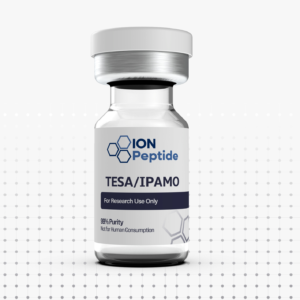
Peptide research has attracted growing attention in recent years as scientists continue exploring how naturally occurring signaling molecules influence various biological processes. Among the combinations frequently discussed in research settings is Tesamorelin and Ipamorelin, often referred to as Tesa/Ipamo.
Although these peptides have generated interest within scientific communities, it is important to understand that their uses, safety, and effectiveness depend on the specific peptide involved, the context of research, and applicable regulatory approvals. This article provides an overview of what researchers know about Tesa/Ipamo and why these compounds continue to be studied.
What Is Tesa/Ipamo?
Tesa/Ipamo generally refers to the combination of Tesamorelin and Ipamorelin, two peptides that have been investigated for their effects on growth hormone-related pathways.
While both compounds interact with the body's endocrine system, they do so through different mechanisms:
- Tesamorelin is a growth hormone-releasing hormone (GHRH) analogue.
- Ipamorelin is a selective growth hormone secretagogue that acts through the ghrelin receptor pathway.
Researchers are interested in understanding whether combining these mechanisms may influence physiological processes differently than either peptide alone.
Understanding Peptides
Peptides are short chains of amino acids that function as signaling molecules throughout the body. They participate in numerous biological activities, including:
- Cellular communication
- Hormonal regulation
- Tissue maintenance
- Metabolic processes
- Immune system signaling
Because peptides often target specific receptors, they have become an important area of biomedical research.
How Tesamorelin Works
Tesamorelin is designed to mimic the activity of growth hormone-releasing hormone produced naturally by the body.
In research settings, it has been shown to stimulate the pituitary gland to release growth hormone, which may subsequently influence insulin-like growth factor-1 (IGF-1) production.
Scientists continue investigating how this pathway affects metabolism, body composition, and other physiological functions.
How Ipamorelin Works
Ipamorelin belongs to a class of compounds known as growth hormone secretagogues.
Unlike some earlier secretagogues, Ipamorelin has been studied for its relatively selective stimulation of growth hormone release while producing less activity on certain other hormones in laboratory investigations.
Researchers are exploring its receptor selectivity and how it compares with other compounds in the same category.
Why Researchers Study the Combination
The combination of Tesamorelin and Ipamorelin has attracted scientific interest because the two peptides stimulate growth hormone release through different biological pathways.
Areas of ongoing investigation include:
- Hormonal signaling
- Endocrine regulation
- Metabolic responses
- Body composition changes
- Recovery-related biological processes
- Healthy aging research
It is important to note that these research interests do not necessarily establish clinical benefit for any specific use.
Current Areas of Scientific Investigation
Researchers continue examining Tesa/Ipamo in laboratory and clinical settings to better understand its biological effects.
Some areas of interest include:
Growth Hormone Physiology
Scientists are investigating how different stimulation pathways influence natural growth hormone secretion.
Metabolic Research
Researchers continue studying potential effects on metabolic biomarkers and energy regulation.
Body Composition
Some studies have explored relationships between growth hormone signaling and changes in lean body mass and adipose tissue.
Cellular Recovery
Researchers are interested in understanding whether peptide signaling influences cellular repair mechanisms under specific experimental conditions.
Healthy Aging
Growth hormone pathways remain an active field of aging research, although many questions remain unanswered.
Importance of Clinical Research
Every peptide must undergo rigorous scientific evaluation before safety and effectiveness can be established for specific medical uses.
Clinical research typically examines:
- Appropriate dosing
- Pharmacology
- Potential adverse effects
- Drug interactions
- Long-term safety
- Clinical effectiveness
These studies help healthcare professionals and regulatory authorities make evidence-based decisions.
Safety Considerations
Peptides that affect hormone pathways require careful medical evaluation.
Potential considerations may include:
- Individual health status
- Existing medical conditions
- Current medications
- Hormonal balance
- Monitoring requirements
Anyone considering treatment involving peptide-based medicines should consult a qualified healthcare professional rather than relying on online information alone.
Regulatory Status
The regulatory status of peptides varies by country and by specific compound.
Some peptides have approved medical indications for certain conditions, while others remain investigational or are intended solely for research purposes.
Consumers should always verify the legal and regulatory status of any peptide product within their jurisdiction.
Frequently Asked Questions
What does Tesa/Ipamo stand for?
Tesa/Ipamo commonly refers to the peptide combination of Tesamorelin and Ipamorelin.
Are these peptides the same?
No. They work through different biological mechanisms that both relate to growth hormone regulation.
Why are they studied together?
Researchers are interested in understanding whether stimulating different hormone-signaling pathways produces distinct physiological effects.
Are peptides approved for all uses discussed online?
No. Many claims circulating online involve investigational or off-label uses that have not been established through sufficient clinical evidence.
Should people self-administer peptide products?
Peptides that influence hormonal systems should only be used under the supervision of qualified healthcare professionals when medically appropriate and in accordance with applicable regulations.
Conclusion
Interest in Tesa/Ipamo reflects the broader scientific exploration of peptide biology and hormone regulation. Tesamorelin and Ipamorelin continue to be studied because they interact with different components of the body's growth hormone signaling pathways, offering researchers valuable insights into endocrine physiology.
As research progresses, additional evidence will help clarify the potential roles, benefits, limitations, and safety considerations associated with these compounds. Until then, it is essential to rely on high-quality scientific evidence, understand regulatory guidance, and seek professional medical advice regarding any treatment involving peptide therapies.